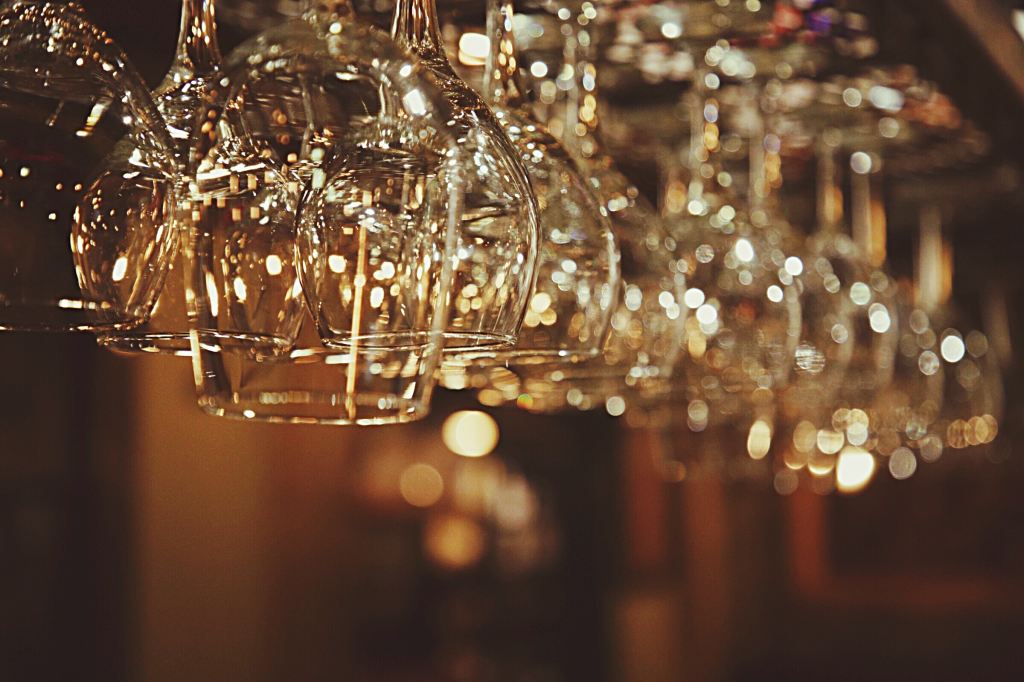
Imagine a world where Merlots flirt with tulip-shaped glasses, and Rieslings whisper sweet nothings to slender flutes. Welcome to the enthralling universe of fine wine glasses, where form meets function, where design meets desire, and where aesthetics meets alcohol. But why would the shape of a glass matter, you ask?
Well, just as a sonnet’s beauty is enhanced by its structure, a wine’s flavour is influenced by the glass it’s served in. The shape, the size, the rim’s thickness – every element of a wine glass can carry the wine’s aroma and flavour to your senses in different ways.
Exploring Wine Glass Designs
Have you ever found yourself staring at a shelf full of wine glasses, unable to tell whether the one with the long stem or the one with the wide bowl will provide the best tasting experience? Well, you are not alone. The world of wine glasses can be as intricate as the world of wines itself. Let’s delve into the various designs you’ll come across and the types of wine they pair best with.
Choosing a Sparkling Wine Glass
These glasses, often referred to as ‘flutes,’ are tall and slender, allowing the bubbles to rise to the top and keep the wine fizzy. This shape also concentrates the aroma of the wine, enhancing your sensory experience.
The Classic Flute
The flute is the most commonly used glass for sparkling wines. Its tall, narrow shape keeps those bubbles lively, ensuring a fizzy sip till the very last drop.
The Tulip
Then we have the tulip. The tulip, true to its name, flares out at the top, resembling a blooming flower. This design helps capture the wine’s aroma, making each sip a delight for your sense of smell and taste.
Tip: The tulip is especially perfect for older sparkling wines, as its wider middle allows the complex aromas to develop.
The Coupe
Finally, we mustn’t forget the coupe. With its broad, shallow bowl, the coupe may not be the best choice for keeping your fizz fizzy. But it’s undeniably glamorous, harking back to the golden age of Hollywood and evoking images of Gatsby-esque parties. It’s perfect for those occasions when style takes precedence over substance.
Choosing a Red Wine Glass
When it comes to indulging in the rich depths of a robust red, the glass you choose can be a game-changer. Take for instance, the mighty Pauillac – a red that demands respect and a glass to match. A Bordeaux-shaped glass, tall and handsome, with a broad bowl, is its partner in taste. This design aids in softening the tannins and directing the wine to the back of the palate, enhancing your experience of this full-bodied Bordeaux.
Here are the most commonly found red wine glass varieties:
Cabernet Sauvignon Glasses
Named after the grape variety itself, Cabernet Sauvignon glasses have a large, round bowl that narrows slightly at the top. This shape allows the bold, full-bodied flavours to fully develop while directing the wine to the back of the palate, where it can be appreciated in all its complex glory.
Pinot Noir Glasses
These glasses, with their wide bowl and slightly tapered mouth, are designed to direct the wine to the tip of the tongue where the sweet nuances of this lighter, more delicate red can be truly savoured. The wider base also allows the beautifully subtle aromas to rise and fill the senses.
Syrah/Shiraz Glasses
The Syrah glass, also suitable for a robust Shiraz, is characterised by a slightly narrower bowl, which helps to concentrate the fruity, spicy aromas typical of these wines. The wine is directed towards the front and middle of the tongue, allowing the balance of fruit and acidity to be appreciated.
Zinfandel Glasses
A Zinfandel glass often has a slightly smaller and less rounded bowl than some of its counterparts. This design helps to balance the sometimes bold fruit flavours with the often higher alcohol content, delivering a perfect sip every time.
Choosing a White Wine Glass
White wines need a vessel which can express their vibrant personality and character. The nuanced flavours and aromas of white wine demand something refined.
Standard White Wine Glass
The standard white wine glass features a smaller mouth, which helps keep the wine cool and concentrates the aromatic bouquet. This type is perfect for zesty and floral whites such as Sauvignon Blanc, Chenin Blanc, or Viognier. Its elegant, tulip-like shape is aesthetically pleasing and functional, making every sip a delightful experience.
Oaked Chardonnay Glass
For those who enjoy a full-bodied, oaked Chardonnay, their glass of choice should be slightly different. This glass has a larger bowl to allow the complex aromas and flavours to mature. The wider opening, meanwhile, directs the wine to the sides and back of the tongue to savour the creamier, buttery notes.
In the enchanting world of fine wine glasses, where design meets desire, the symbiotic relationship between glass and wine becomes clear. Each glass shape is a masterpiece, orchestrating a sensory symphony that elevates the drinking experience. From the tulip’s embrace of aged sparklers to Bordeaux glasses’ taming of reds, these vessels are keys to unlocking the nuances of flavour and aroma. With every sip, the glass becomes a conduit, translating the intricate language of wine into a dance of senses—a reminder that wine glasses are not mere vessels but partners in the journey of taste and appreciation.
 TempoText