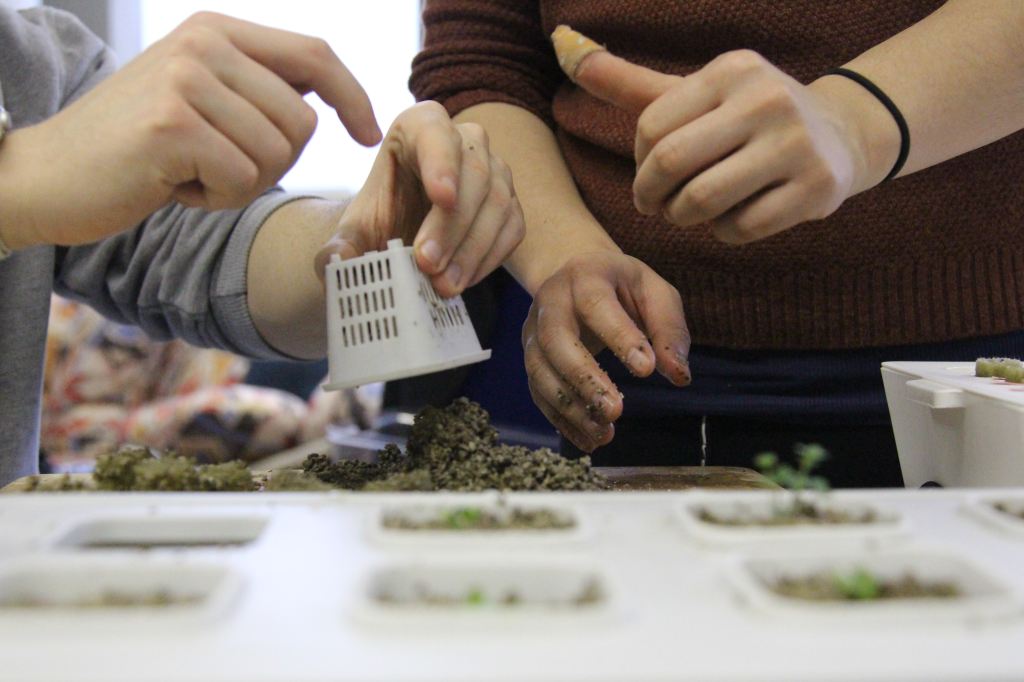
Hydroponics may be the perfect solution if you’re interested in growing your own plants but need more space or access to outdoor soil. Hydroponics is a method of growing plants in a nutrient-rich water solution without using soil. This allows you to grow plants in a controlled environment, using less water and space than traditional gardening methods.
Types of hydroponic systems
There are several types of hydroponic systems, including deep water culture (DWC), nutrient film technique (NFT), drip system, and aeroponic system. These are some of the most common and can be suitable for beginners looking to dip their toes into the world of hydroponics.
Deep water culture systems are one of the most straightforward hydroponic systems for beginners. A DWC is an effective system for growing plants that do well with a lot of water, such as lettuce and spinach. In this system, the plants are suspended in a nutrient-rich water solution with their roots always submerged. The oxygen supply to the roots is maintained using an air pump, which creates bubbles in the water and prevents the roots from becoming waterlogged.
Nutrient film technique systems are another popular hydroponic system which is ideal for beginners. In this system, the nutrient solution is pumped through a shallow channel and the plants are placed in small pots with their roots dangling down into the channel. The nutrient solution flows over the roots, providing the necessary nutrients while also allowing the roots to breathe.
This system is ideal for growing plants that only require a little support, such as herbs and leafy greens. It is also suitable for plants that prefer a slightly less aquatic environment because the water can be pumped over the roots on a schedule rather than being constantly submerged.
Drip systems are a versatile hydroponic system choice that can be used with a variety of growing mediums, such as perlite, vermiculite, and coconut coir. In this system, the nutrient solution is pumped into the growing medium and drips down onto the roots of the plants. The growing medium retains moisture while also providing support to the plants. Drip systems are suitable for growing a wide range of plants, including tomatoes, peppers and strawberries, because they are highly versatile.
Aeroponic systems are more advanced hydroponic systems that require precise environmental control and are better suited to more confident beginners who understand a thing or two about growing plants. In this system, the roots of the plants are suspended in the air and misted with a nutrient solution.
This allows the roots to receive a high level of oxygen which can increase the growth rate of the plants while ensuring they get the optimal amount of water and nutrients. Aeroponic systems are best suited for growing fast-growing plants when operated by a beginner, though you can grow more demanding plants as you gain confidence.
Equipment needed for hydroponics
Now that you know the different types of hydroponic systems, let’s take a look at the equipment you’ll need to get started with your new hobby. The specifics will vary depending on the type of system you are interested in using, though there are some components that are universal.
Grow lights are specially designed to provide the spectrum of light that plants need to grow. Supplemental lights are essential to hydroponic systems, especially if you’re growing plants indoors because providing enough natural light within the home can be impossible. Various options are available, including fluorescent lights, an LED grow light setup and high-pressure sodium (HPS) lights.
Because the plants aren’t grown using soil, you’ll need to provide a growing medium to support them. The growing medium should be chosen based on the type of hydroponic system you’re using and the plants you’re growing. Common growing mediums include rock wool, perlite, and leca.
Nutrient Solution is the lifeblood of a hydroponic system, providing the essential nutrients that plants need to grow. You can purchase premixed nutrient solutions or mix your own from individual nutrients to personalise your technique. The nutrient solution should be chosen based on the type of plants you’re growing, and it’s essential to monitor the pH level of the solution using a water testing kit.
 TempoText